
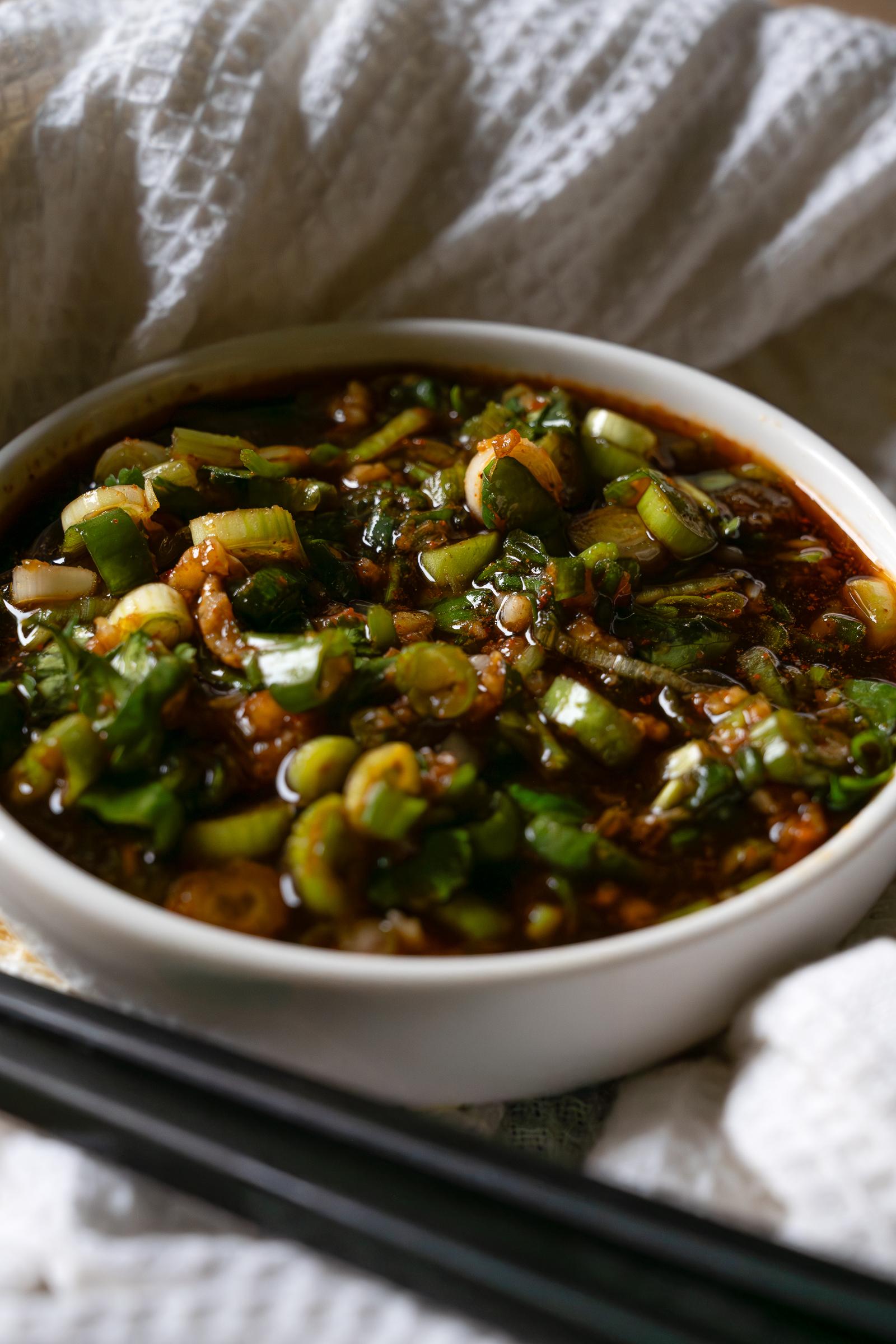
I’m about to share something with you that’s completely transformed how I eat. It’s not a complicated recipe. There’s no fancy technique. It’s just a dipping sauce—but it’s the dipping sauce, the one I make almost weekly, the one that’s become so essential in my kitchen that I feel lost without it.
This sauce is what I reach for when I make dumplings, potstickers, spring rolls, grilled meats, roasted vegetables, noodles, rice bowls, fried tofu, steamed fish—honestly, the list goes on. It’s bold, punchy, perfectly balanced, and somehow manages to make everything taste better.
The best part? It takes about 5 minutes to make and uses ingredients you probably already have in your pantry. No exotic trips to specialty stores, no complicated measurements, just straightforward ingredients mixed together to create something that’s genuinely greater than the sum of its parts.
Let me show you how to make what has become my go-to, can’t-live-without-it, favorite dipping sauce.
What Makes This Sauce Special
Before we get to the recipe, let me tell you why this particular combination works so well. It’s all about balance—every element has a purpose, and together they create this harmony of flavors that somehow complements almost any food you pair it with.
Light soy sauce brings umami depth and that classic savory base. It’s the foundation that everything else builds on—that rich, salty, deeply savory quality that makes your taste buds pay attention.
Sugar balances the salt and brightens the overall flavor. Without it, the sauce would be one-dimensional and harsh. The sugar rounds everything out and helps other flavors bloom.
Vinegar adds a bold, cleansing tang that sharpens every bite. It cuts through richness, wakes up your palate, and adds that bright acidity that makes you want another taste immediately.
Fine chili flakes give just enough heat to warm the palate without overpowering. This isn’t a hot sauce—it’s a dipping sauce with a gentle, pleasant warmth that enhances rather than dominates.
Minced garlic and ginger offer that rich, aromatic backbone. These two ingredients together create this incredible fragrance and depth that makes the sauce feel complex and layered.
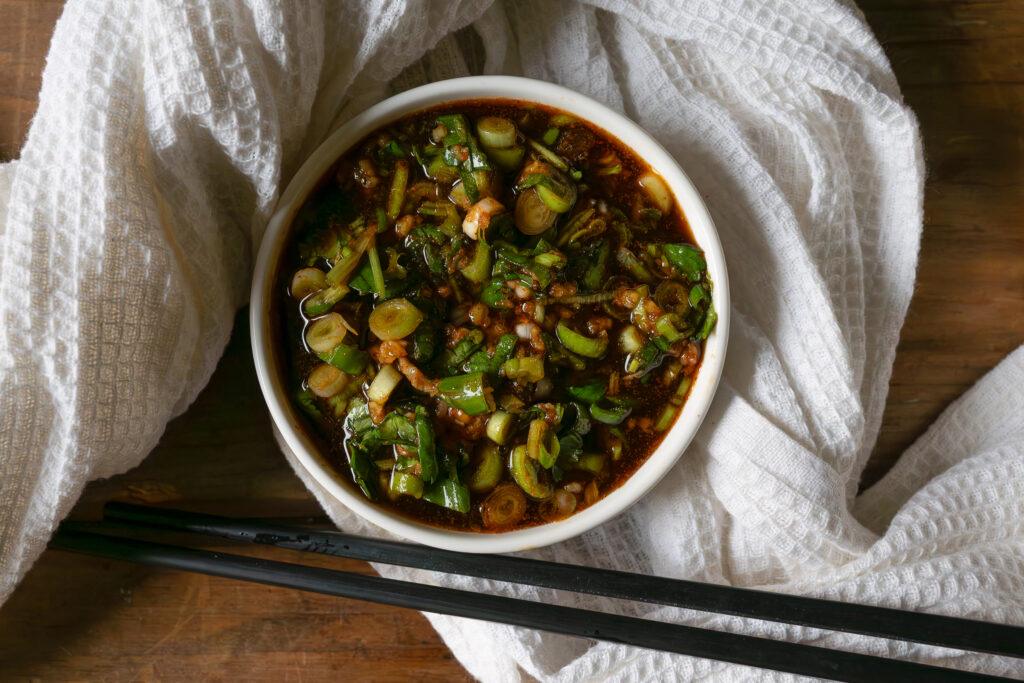
Scallions and cilantro add freshness, fragrance, and color. They lighten the sauce, add visual appeal, and bring in those bright, green, herbaceous notes that make everything taste fresher.
Salt and pepper pull it all together into a bold, punchy harmony. These final seasonings are what fine-tune everything, bringing all the flavors into perfect balance.
Every ingredient matters. Remove one, and you’ll notice something’s missing. But together? Magic.
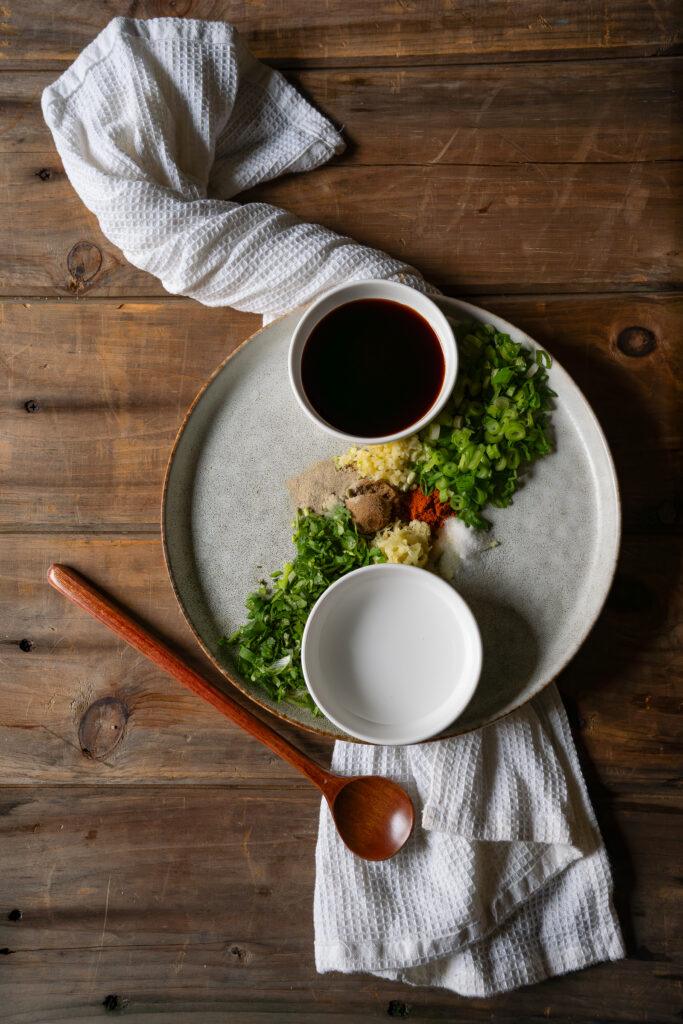
The Complete Ingredient List
Here’s everything you need:
- 3 tablespoons light soy sauce (also called thin soy sauce or regular soy sauce)
- 1 tablespoon sugar (white or brown both work)
- 2 tablespoons vinegar (rice vinegar, white vinegar, or even apple cider vinegar)
- ½ teaspoon fine chili flakes (adjust to your heat preference)
- 2 cloves garlic, minced very fine
- 1-inch piece fresh ginger, minced very fine
- 2 scallions, thinly sliced (both white and green parts)
- 2 tablespoons fresh cilantro, chopped
- Salt to taste (start with a pinch)
- Black pepper to taste (freshly ground if possible)
Optional additions:
- 1 teaspoon sesame oil for nuttiness
- A splash of water if you prefer it slightly diluted
That’s it. Nine core ingredients (plus optional additions) that you mix together in a bowl. No cooking, no complicated preparation, just mixing.
Step-by-Step: Making the Perfect Dipping Sauce
Step 1: Prepare Your Aromatics
This is the only “work” in this recipe—preparing your garlic, ginger, scallions, and cilantro. But it’s worth doing well because these fresh ingredients are what elevate this from just mixed liquids to something special.
Garlic: Peel 2 cloves and mince them as finely as you possibly can. I mean really fine—almost to a paste. The finer you mince it, the better it will distribute throughout the sauce and the less likely you are to get overwhelming chunks of raw garlic. If you have a microplane grater, this is perfect for garlic.
Ginger: Peel a 1-inch piece of fresh ginger (use a spoon to scrape off the skin—it’s easier than a peeler) and mince it extremely fine, just like the garlic. Ginger can be fibrous, so really work at getting it tiny. Again, a microplane works beautifully here.
Scallions: Trim the root end and any wilted parts from 2 scallions. Slice them thinly—both the white parts and the green parts. The white parts are more pungent; the green parts are milder and add nice color.
Cilantro: Wash and dry about 2 tablespoons worth of cilantro leaves. Chop them roughly—they don’t need to be as fine as the garlic and ginger. Some people like more cilantro, some less. Start with 2 tablespoons and adjust to your taste.
Set all your prepared aromatics aside. Having everything ready before you start mixing makes the process smooth and easy.
Step 2: Build Your Base
Get a medium bowl—something with enough room to stir without splashing. Start with your liquid ingredients first:
Pour in 3 tablespoons of light soy sauce. This is your base, your foundation. If you only have dark soy sauce, you can use it, but the sauce will be slightly thicker and less bright in flavor. Regular soy sauce (the kind most people have in their fridges) works perfectly.
Add 1 tablespoon of sugar directly into the soy sauce. Don’t worry that it’s not dissolved yet—we’ll get to that.
Pour in 2 tablespoons of vinegar. Rice vinegar is traditional and has a mild, slightly sweet acidity that’s perfect. White vinegar works too but is sharper. Apple cider vinegar adds a fruity note. Any of these work—use what you have.
Step 3: Dissolve the Sugar
Here’s a little trick: stir vigorously for about 30 seconds to a minute. The sugar needs to dissolve completely into the liquid. If you don’t dissolve it, you’ll have grainy bits at the bottom of your sauce, which isn’t terrible but isn’t ideal either.
Keep stirring until you can’t see or feel any sugar crystals. The mixture should be smooth and slightly thickened from the dissolved sugar. This takes a bit of effort but not much—just keep at it.
If the sugar is being stubborn, you can add a tiny splash of hot water to help it along, but usually, vigorous stirring does the trick.
Step 4: Add Heat and Aromatics
Now comes the flavor building. Add ½ teaspoon of fine chili flakes. If you like things mild, start with ¼ teaspoon. If you like heat, go up to 1 teaspoon or even more. The beauty of making your own sauce is you can adjust to exactly your preference.
Add your minced garlic and ginger. These are the aromatics that give this sauce its soul. Stir them in thoroughly so they’re distributed throughout the sauce.
The raw garlic and ginger will mellow slightly as the sauce sits, but they’ll always maintain that punchy, aromatic quality that makes this sauce so addictive.
Step 5: Add Freshness
Stir in your sliced scallions—both the white and green parts. They add a mild onion flavor and a pop of color.
Add your chopped cilantro. Stir everything together. The sauce should now be colorful, fragrant, and looking pretty close to done.
Step 6: Season and Balance
Add a small pinch of salt—maybe ⅛ teaspoon to start. Remember, the soy sauce is already salty, so you don’t need much. The salt here is more about bringing all the flavors together rather than adding saltiness.
Add several grinds of black pepper. Freshly ground is best if you have it, but pre-ground works fine. The pepper adds a subtle spice and complexity.
Step 7: Taste and Adjust
This is the most important step: taste your sauce. Really taste it. How does it feel on your palate?
Too salty? Add a bit more sugar and vinegar to balance it out.
Too sour? Add more sugar or a tiny bit more soy sauce.
Too sweet? Add more vinegar or soy sauce.
Not punchy enough? More vinegar, more garlic, or more ginger.
Not enough heat? More chili flakes.
Too thin? It’s fine as is, but if you want it thicker, you could add a tiny bit more sugar or let it sit—the flavors will concentrate slightly.
Keep adjusting until it tastes perfect to you. That’s the beauty of making your own sauce—you’re the chef, and you can make it exactly how you like it.
Step 8: Let It Rest (Optional but Recommended)
If you have time, let the sauce sit for 10-15 minutes before using. This resting time allows the flavors to meld and marry. The raw garlic and ginger will mellow slightly, the sugar will fully dissolve into everything, and the scallions and cilantro will release more of their aromatic oils.
That said, this sauce is perfectly delicious immediately. I’ve made it and used it within 30 seconds many times when I’m hungry and impatient.
What to Eat It With
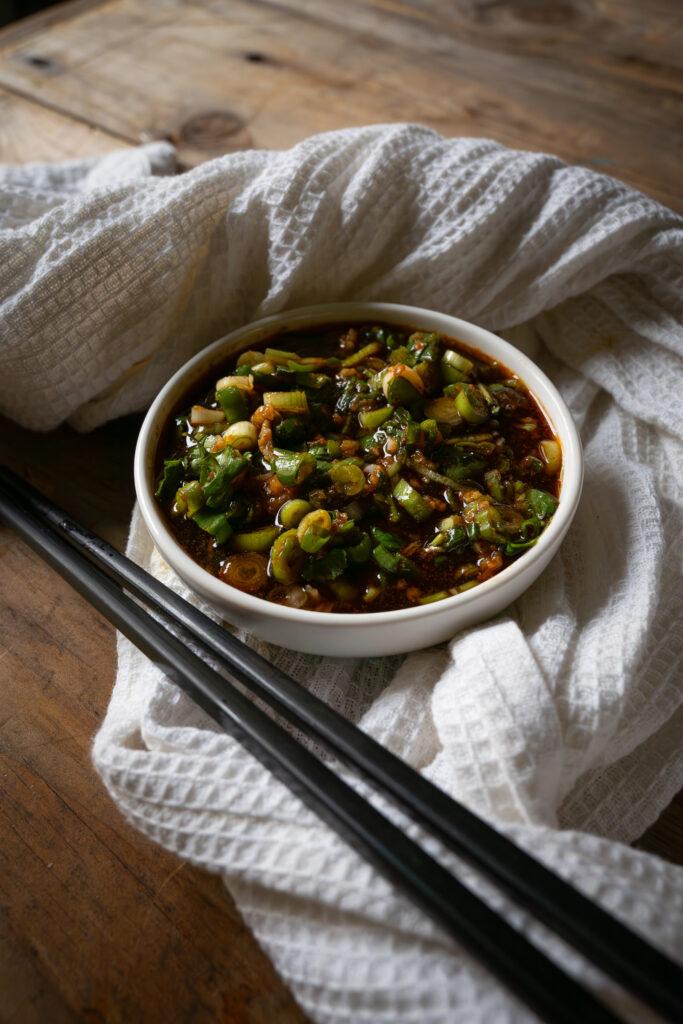
This is where this sauce really shines—it’s incredibly versatile. Here’s what I use it for regularly:
Dumplings and Potstickers: This is probably the most classic use. The sauce cuts through the richness of the dumpling and enhances the filling. It’s perfect for pork dumplings, vegetable dumplings, shrimp dumplings—any kind.
Spring Rolls: Both fresh and fried spring rolls are incredible with this sauce. The freshness of the herbs complements fresh rolls, while the acidity cuts through the richness of fried ones.
Grilled or Pan-Fried Proteins: Grilled chicken thighs, pan-seared pork chops, seared steak, grilled shrimp—all amazing with this sauce either as a marinade before cooking or a dipping sauce after.
Steamed or Fried Fish: The ginger and scallions are particularly good with fish, and the vinegar brightens the delicate flavor.
Noodles: Toss cold noodles in this sauce for a quick lunch, or use it as a sauce for hot noodles. It works with everything from soba to udon to rice noodles.
Rice Bowls: Drizzle over rice topped with grilled vegetables and protein for an instant flavor boost.
Roasted or Steamed Vegetables: Especially good with broccoli, green beans, cauliflower, or Brussels sprouts.
Tofu: Whether fried, baked, or steamed, tofu loves this sauce. It adds all the flavor that plain tofu is missing.
Wontons: Both in soup and fried, wontons are fantastic with this as a dipping sauce.
Egg Rolls: The classic pairing. This sauce is better than any sweet and sour sauce that comes with takeout.
As a Salad Dressing: Thin it with a bit of water or oil and use it as a bright, punchy salad dressing for Asian-inspired salads.
Honestly, I haven’t found many things this sauce doesn’t work with. It’s that versatile.
Storage and Make-Ahead
Immediate use: This sauce is best used fresh, within a few hours of making it. The herbs are brightest, the aromatics are punchiest, and everything tastes most vibrant.
Short-term storage: You can refrigerate this in an airtight container for up to 3 days. The garlic and ginger will get stronger as it sits, and the herbs will darken and soften, but it’s still delicious.
Not recommended: Freezing this sauce doesn’t work well. The fresh herbs turn mushy, and the texture becomes unappealing.
Best practice: Make small batches fresh as you need them. Since it only takes 5 minutes, there’s no real reason to make huge amounts ahead. I usually make just enough for one meal, maybe with a little extra for leftovers the next day.
Prep shortcut: You can prep all your aromatics (garlic, ginger, scallions, cilantro) ahead of time and store them together in a small container in the fridge. Then when you want to make the sauce, you just mix the liquids and add the pre-prepped aromatics. This cuts the active time to under 2 minutes.
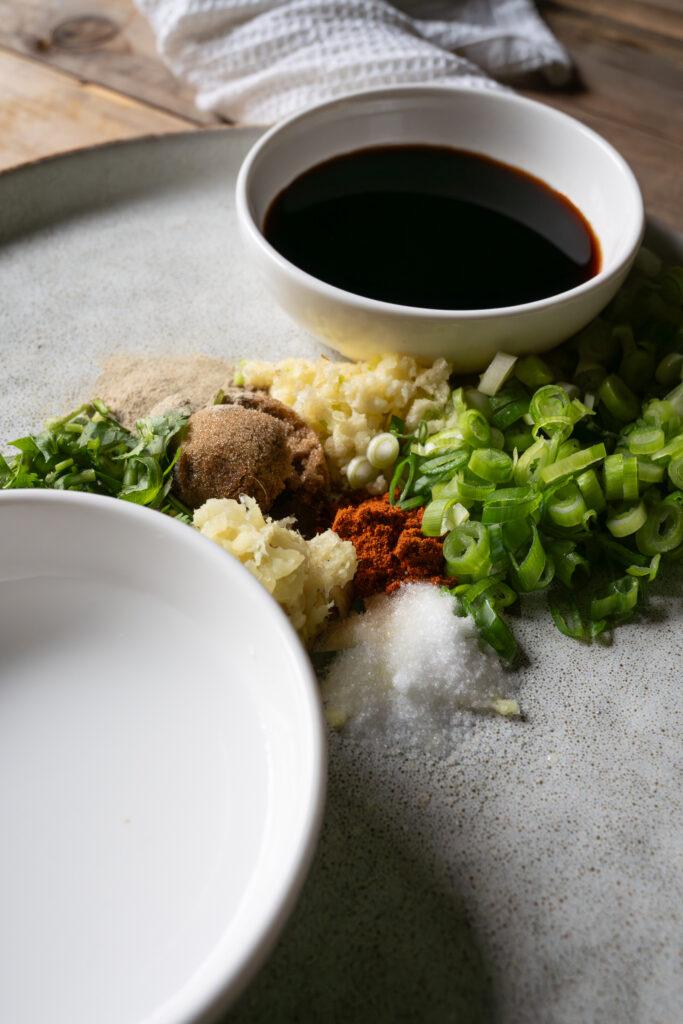
Variations and Customizations
Once you’ve made the basic version and understand how the flavors work, feel free to experiment:
Sesame variation: Add 1 teaspoon of toasted sesame oil for a nutty depth. This is particularly good with dumplings and noodles.
Spicy version: Double or triple the chili flakes, or add a spoonful of chili oil or sriracha for more heat.
Citrus variation: Add a squeeze of fresh lime or lemon juice along with (or instead of) some of the vinegar for a brighter, citrusy note.
Sweet and sour: Increase the sugar to 2 tablespoons and the vinegar to 3 tablespoons for a more sweet-and-sour profile.
Thai-inspired: Add a splash of fish sauce and swap the cilantro for Thai basil. Lime juice instead of vinegar.
Peanut addition: Stir in a tablespoon of smooth peanut butter or peanut sauce for a richer, creamier sauce. You may need to thin it with some broth if it gets too thick.
Sesame cream: Add a tablespoon of sesame paste (tahini or Chinese sesame paste) for a nutty, creamy version. Thin with broth as needed.
Heavy cream version: For an ultra-creamy sauce, pour your finished sauce into a small pan and stir in 2-3 tablespoons of heavy cream. Warm it gently over low heat, stirring constantly, until it’s heated through and smooth. If it gets too thick, thin it out with a bit of broth until you reach your desired consistency.
Thinning tip: If any of your creamy variations become too thick, add broth (chicken, vegetable, or even more dashi) a tablespoon at a time until it reaches the consistency you like. Broth adds flavor while thinning, unlike water which can make it taste diluted.
Omit the herbs: If you’re one of those people who thinks cilantro tastes like soap (it’s genetic!), just leave it out. Add extra scallions or even some fresh basil or mint instead.
Make it creamy: Add a dollop of mayonnaise or Greek yogurt for a creamy dipping sauce. Particularly good with fried foods.
Thicker version: Add a teaspoon of cornstarch mixed with water, microwave for 20 seconds, and stir into the sauce for a thicker, more clingy consistency.
The base ratio of soy sauce, sugar, and vinegar is your template. Everything else is negotiable based on your preferences.
Why I Love This Recipe
I’ve tried countless dipping sauce recipes over the years. Store-bought sauces. Complicated recipes with 15 ingredients. Fancy restaurant versions. But I keep coming back to this one.
Why? Because it hits every flavor note perfectly—salty, sweet, sour, spicy, savory, fresh. It’s balanced in a way that makes food taste better rather than overpowering it. It’s versatile enough to work with almost anything. And it’s so quick and easy that there’s no barrier to making it.
I’ve served this to friends who ask for the recipe every single time. I’ve brought it to potlucks where people hover around the sauce bowl. I’ve made it so many times I don’t even need to measure anymore—I can do it by feel and taste.
It’s become one of those recipes that defines how I cook—simple, flavorful, adaptable, and always delicious.
The Secret Is Balance
If there’s one lesson this sauce teaches, it’s the importance of balance in cooking. None of these ingredients is particularly special on its own. Soy sauce? Everyone has it. Sugar? Basic. Vinegar? Standard. But combined in the right proportions, they create something that’s far more than the sum of its parts.
This is the foundation of so much Asian cooking—balancing salty, sweet, sour, spicy, and fresh. Getting those proportions right, adjusting to your taste, understanding how each element plays off the others.
Once you understand this balance, you can apply it to other sauces and dishes. You’ll start to taste what’s missing when something’s off—too much salt, not enough acid, needs more sweetness. This sauce is like a masterclass in flavor balancing, all in one simple recipe.
Tips for Success
Use fresh aromatics: Pre-minced garlic from a jar or dried ginger powder won’t give you the same bright, punchy flavor. Fresh is essential here.
Mince very fine: Especially the garlic and ginger. Big chunks are harsh and unpleasant. Fine mincing distributes the flavor evenly.
Taste as you go: Don’t just dump everything together and hope for the best. Taste after each addition and adjust as needed.
Don’t skip the herbs: The cilantro and scallions add so much freshness and brightness. They’re not just garnish—they’re essential to the balance.
Adjust for your palate: Like more heat? Add more chili. Hate cilantro? Leave it out. This is your sauce—make it yours.
Let it sit if you can: Even 10 minutes makes a difference in how the flavors meld.
Use it fresh: This sauce is best within a few hours of making it. The longer it sits, the more the herbs wilt and the flavors muddy. Make it fresh when you need it.
Common Mistakes and How to Avoid Them
Too much garlic or ginger: It’s easy to go overboard with these powerful aromatics. Start with the amount in the recipe and add more if you want. It’s easier to add than to fix an overpowering sauce.
Not dissolving the sugar: Grainy sauce is not fun. Stir vigorously to dissolve the sugar completely.
Using old herbs: Wilted scallions or brown cilantro will make your sauce taste dull. Use fresh, crisp herbs.
Too much heat: Chili flakes vary in spiciness. Start with less than you think you need and add more to taste.
Wrong soy sauce: Dark soy sauce is thicker and less salty than light soy sauce. If you use dark, reduce the amount slightly or the sauce will be too heavy.
Making it too far ahead: The herbs deteriorate, the raw garlic gets stronger and harsher. Make it close to when you plan to use it.
Why This Works With Everything
You might wonder how one sauce can work with so many different foods. It comes down to that balance we keep talking about.
The sauce has enough salt and umami (from the soy sauce) to enhance savory foods. It has enough acid (from the vinegar) to cut through rich, fatty foods. It has enough sweetness (from the sugar) to balance and brighten. It has enough aromatics (garlic, ginger, scallions) to add complexity. And it has enough freshness (cilantro) to keep it from feeling heavy.
It’s not trying to be a specific regional sauce—it’s not trying to be exactly Chinese or Korean or Thai or Vietnamese. It’s inspired by all of these cuisines but adapted to be versatile and universally appealing.
That’s what makes it so useful. It’s a bridge sauce—it works across cuisines and foods because it hits all the fundamental flavor notes that humans find delicious.
The Bottom Line
This is more than just a dipping sauce recipe—it’s become an essential part of how I eat. It’s what turns plain dumplings into something crave-worthy. It’s what makes simple grilled chicken exciting. It’s what brings together rice, vegetables, and protein into a cohesive, flavorful meal.
With just light soy sauce, sugar, vinegar, chili flakes, garlic, ginger, scallions, cilantro, salt, and pepper, you can create a sauce that’s bold, punchy, perfectly balanced, and incredibly versatile. It takes 5 minutes to make, uses pantry staples, and works with almost anything.
Make a batch this week. Try it with dumplings, spring rolls, grilled chicken, roasted vegetables—whatever you’re cooking. I’m willing to bet it becomes your new go-to sauce, the one you make over and over, the one you start keeping ingredients on hand for specifically.
This is my favorite dipping sauce, and I think it might become yours too.
Happy Eating!
<3 Ann